
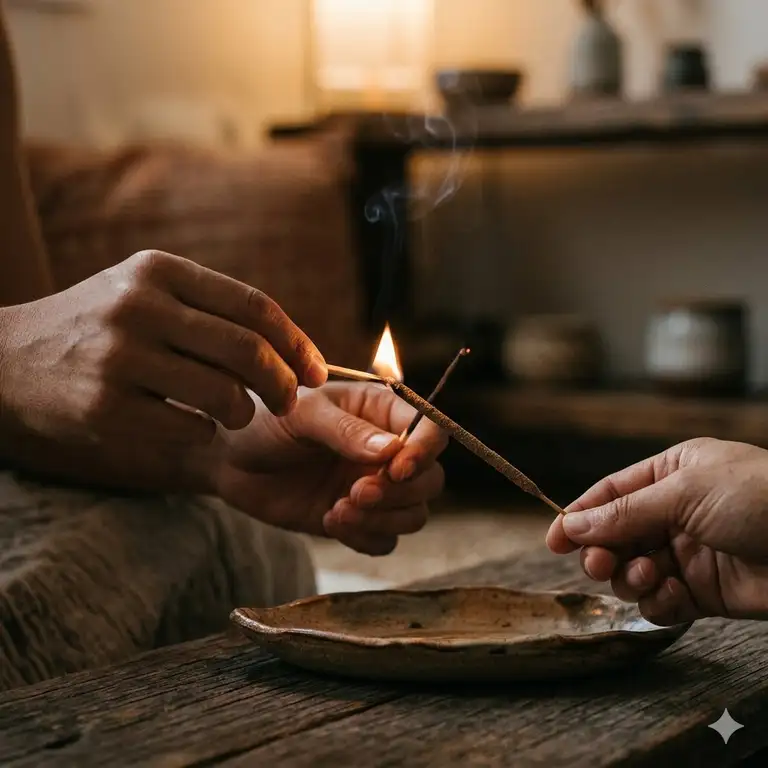
In the fast-paced digital landscape of 2026, the simple act of lighting incense has transformed from a niche spiritual practice into a mainstream cornerstone of “sensory hacking.” Whether you are trying to mask the scent of a gourmet meal that lingered too long or you are setting the stage for a deep-work sprint in your home office, the way you engage with fragrance matters. Lighting incense is not merely about making a room smell better; it is about intentionality and the physical transition from a state of stress to one of presence.
What is lighting incense? At its core, it is the process of igniting a combustible material—usually a blend of aromatic resins, herbs, and oils—to release fragrant smoke. Unlike candles, which offer a slow, steady scent release, incense provides an immediate and potent atmospheric shift. In 2026, we’ve seen a massive shift toward “clean-burning” varieties as consumers become more educated about indoor air quality. This guide is designed to help you navigate the vast world of agarbatti, dhoop, and resins, ensuring that your ritual is as safe as it is soulful.
The beauty of this practice lies in its accessibility. You don’t need an elaborate altar or a background in herbalism to enjoy the benefits. However, a little expert knowledge goes a long way in preventing “smoke fatigue” and ensuring you aren’t just filling your lungs with charcoal fillers. From the bamboo-cored sticks of India to the delicate, coreless extrusions of Japan, understanding the tools of the trade is the first step toward a more refined aromatic experience.
Quick Comparison: The Best Incense Styles for Your Space
Selecting the right delivery method is half the battle. If you’re lighting incense in a drafty living room, your needs will differ wildly from someone using it in a compact meditation nook.
| Incense Type | Burn Time | Scent Intensity | Best For… | Expert Recommendation |
| Bamboo Stick | 45-60 mins | High | Large open areas | Satya Nag Champa |
| Backflow Cone | 15-20 mins | Medium | Visual meditation | HEM White Sage |
| Japanese Stick | 25-30 mins | Subtle/Refined | Small offices/Bedrooms | Nippon Kodo Kayuragi |
| Resin/Charcoal | Variable | Very High | Deep cleansing/Ceremony | Prabhuji’s Gifts |
Expert Analysis: If you are a beginner, stick to the Japanese style or high-quality bamboo sticks. The table shows that while bamboo sticks offer the longest burn time, they often produce more smoke due to the wood core. If you live in a modern apartment with sensitive smoke detectors, the Japanese “coreless” style is your best bet for a clean, lingering scent without the hazy aftermath.
💬 Just one click — help others make better buying decisions too! 😊
[addtoany]
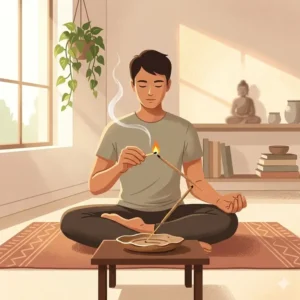
Top 5 Incense Products: Expert Analysis for 2026
Navigating the Amazon marketplace for fragrance can be a minefield of synthetic “perfume sticks.” I have curated these five options based on their ingredient transparency, burn consistency, and overall “vibe” for the modern home.
1. Nippon Kodo Kayuragi Sandalwood (Japanese Coreless Sticks)
This is the “gold standard” for those who want sophistication without the heavy smoke associated with traditional lighting incense rituals. Since there is no bamboo core, you are smelling pure sandalwood bark and essential oils.
-
Key Specs: 40 sticks per box, includes a small ceramic burner, approx. 25-minute burn time.
-
Expert Commentary: What most buyers overlook is the “purity” of the scent trail. In my experience, these are perfect for bedside use. Because they lack a wooden core, you don’t get that “burnt campfire” undertone that cheaper sticks produce. It is a clean, woody fragrance that lingers for hours without being cloying.
-
Customer Feedback: Users frequently mention the high-quality packaging and the lack of “sneezing fits” often triggered by cheaper brands.
-
Pros: Minimal smoke, true-to-life sandalwood scent, includes burner.
-
Cons: Very fragile (can snap if handled roughly), shorter burn time.
-
Price Range: Around $14-$18.
-
Value Verdict: A premium choice for those who value subtle, high-end aromatics over bulk quantity.
2. Satya Sai Baba Nag Champa Agarbatti (The Original Blue Box)
The most iconic incense in the world for a reason. If you’ve ever stepped into a yoga studio or a vintage record shop, you know this smell. It uses a “masala” base, which is a damp paste of resins and flours rolled onto bamboo.
-
Key Specs: 15g to 250g bulk packs, hand-rolled in India, earth-friendly ingredients.
-
Expert Commentary: Don’t be fooled by the “Earthgenix” or “Bangalore” variants—look for the Shrinivas Sugandhalaya seal. This incense is heavy and sweet. It’s the best choice for “clearing the air” after cooking or when hosting a large group. The high oil content means the scent sticks to fabrics, which can be a pro or a con depending on your preference.
-
Customer Feedback: Long-time fans swear by the grounding effect of the Champa flower and sandalwood blend, though some note recent batches can be a bit dustier than years past.
-
Pros: Incredible scent throw, very affordable, nostalgic aroma.
-
Cons: Can be overwhelming in small rooms, creates significant ash.
-
Price Range: $8-$12 for a multi-pack.
-
Value Verdict: The undisputed champion of “bang-for-your-buck” home fragrance.
3. Shoyeido Daily Incense – Moss Garden (Nokiba)
Shoyeido has been making incense for over 300 years, and their “Daily” line is the most approachable entry point into the world of Kyoto-style fragrance.
-
Key Specs: 35-40 sticks, blend of sandalwood, patchouli, and cinnamon, coreless.
-
Expert Commentary: The spec sheet calls this “Moss Garden,” but it smells more like a rainy afternoon in a temple. The patchouli here isn’t the “dirty” kind; it’s refined and uplifting. If you are lighting incense to focus on a creative project, this is the one I recommend. It sits in the background of your consciousness rather than demanding attention.
-
Customer Feedback: Reviewers love that it doesn’t leave a “charcoal” smell in the air once the stick finishes burning.
-
Pros: Extremely high-quality natural ingredients, no synthetic binders, very calming.
-
Cons: The scent is quite light; might not fill a very large room.
-
Price Range: Around $10-$15.
-
Value Verdict: Best for students, writers, and those with sensitive noses.
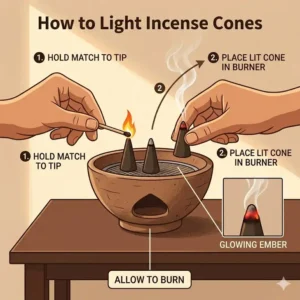
4. HEM White Sage Incense Cones (Backflow & Standard)
For those who prefer the visual “waterfall” effect of backflow burners, HEM remains the dominant player in 2026. These cones are designed with a hollow center to pull smoke downward.
-
Key Specs: 40-count boxes, charcoal-based, rapid scent release.
-
Expert Commentary: Sage is traditionally used for “smudging,” and while these aren’t a replacement for raw herb bundles, they are much easier to manage. My advice: use these in a well-ventilated room. The backflow effect is mesmerizing, but it produces a denser smoke that can leave a slight resinous residue on your burner.
-
Customer Feedback: Users love the visual aesthetic but warn that the “sage” scent is more “perfumed” than the actual plant.
-
Pros: Stunning visual effect, very fast scent delivery, great for “clearing” a space quickly.
-
Cons: High smoke volume, can leave an oily residue on surfaces.
-
Price Range: $7-$10 per box.
-
Value Verdict: Perfect for those who treat lighting incense as a visual performance or a quick ritual.
5. Gonesh Extra Rich Incense – No. 8 Spring Mist (The Modern Classic)
Gonesh is the American titan of incense, famous for their “Extra Rich” dipping process that ensures the scent lasts from the first light to the very end.
-
Key Specs: 20-stick packs, high-charcoal base, proprietary fragrance oils.
-
Expert Commentary: No. 8 is their bestseller, and it smells like “clean laundry and spring air.” Unlike the traditional herbal scents of the other brands, this is a “lifestyle” fragrance. If you want your house to smell like a luxury hotel rather than a monastery, Gonesh is your best friend. The charcoal base ensures a very even, predictable burn rate.
-
Customer Feedback: Fans have been buying this for 30 years and claim the “Spring Mist” formula hasn’t changed a bit—which is a win for consistency.
-
Pros: Very strong scent, extremely consistent burn, smells “modern.”
-
Cons: Contains more synthetic fragrance than Japanese brands, high smoke output.
-
Price Range: Under $10 for a twin pack.
-
Value Verdict: The best “entry-level” incense for people who usually prefer candles or plug-in air fresheners.
✨ Don’t Miss These Exclusive Deals!
🔍 Take your home ambiance to the next level with these carefully selected products. Click on any highlighted item to check current pricing and availability. These tools will help you create authentic sensory experiences your family will love!
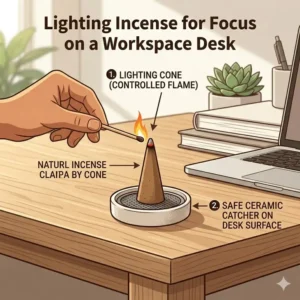
The Master Class: The 3-Step Ritual for Perfect Scent Distribution
Lighting incense correctly is an art that most people rush. If you just stick a match to it and walk away, you’re missing out on the nuance of the fragrance notes. Here is the transformation guide to leveling up your experience.
Step 1: The “Flame Kiss”
Never hold a lighter to the tip of your incense for more than 5 seconds. You want to ignite the material just enough to create a glowing ember. If the tip is flaming like a birthday candle, blow it out gently. A large flame “scorches” the essential oils, resulting in a bitter, acrid smell for the first ten minutes of the burn.
Step 2: Placement and Airflow
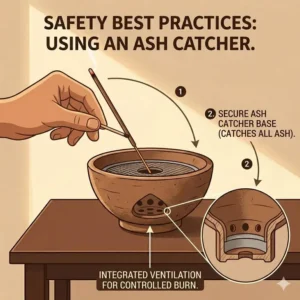
The biggest mistake is placing your burner in a “dead zone” (a corner with no air movement) or directly under an AC vent. For the best scent distribution, place your burner near a window with a slight crack or in a hallway. The natural draft will carry the “thin blue line” of smoke throughout the house. In 2026, many enthusiasts use “incense towers” to contain the ash while allowing the scent to seep out through decorative perforations.
Step 3: The After-Burn
The scent of the incense actually changes once the stick is extinguished. This is called the “lingering note.” High-quality incense, like Shoyeido or Nippon Kodo, will leave a pleasant, sweet aroma in the room for up to 12 hours. If your room smells like a campfire the next morning, your incense has too much wood or charcoal filler.
Problem → Solution: Why Your Incense Experience Isn’t Perfect
If you’ve ever found yourself coughing or frustrated that your incense won’t stay lit, you aren’t alone. Most issues with lighting incense stem from storage or environmental factors.
Problem: The stick keeps going out halfway through.
-
The Cause: Humidity is the enemy of incense. In 2026, many homes are more airtight than ever, but if you store your incense in a kitchen or bathroom, the sticks absorb moisture.
-
The Solution: Store your sticks in a wooden box or a sealed Ziploc bag. If a stick is damp, “dry” it out by placing it near a sunny window (but not in direct heat) for an hour before lighting.
Problem: The scent is too “smoky” and causes headaches.
-
The Cause: You are likely using “dipped” charcoal sticks in a room that is too small. Cheap charcoal produces excess carbon monoxide and particulate matter.
-
The Solution: Switch to a “masala” or “Japanese” coreless stick. These use natural wood powders as the base rather than charcoal, resulting in a cleaner, more herbal aroma.
Problem: Ash is getting everywhere, even with a burner.
-
The Cause: Standard “coffin” burners are often too short for modern 11-inch sticks.
-
The Solution: Look for a “Vertical Incense Burner” or a “Deep-V Ceramic Tray.” These allow the stick to hang or sit at an angle where the ash falls directly into a reservoir.
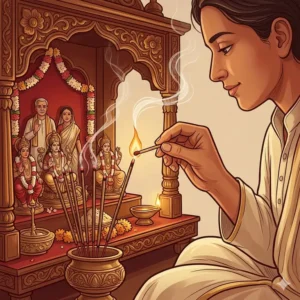
How to Choose the Right Incense for Your Needs
With so many options available on Amazon and in specialty shops, the “paradox of choice” is real. Use these expert criteria to filter out the noise.
-
Identify the Base Material: Check if the incense is “charcoal-based” or “masala-based.” Charcoal is great for strong, synthetic fragrances (like “Ocean Breeze” or “Black Cherry”), but masala (wood powder and resins) is superior for natural, grounding scents (like Sandalwood, Oud, or Frankincense).
-
Check for “Core” or “Coreless”: If you want a long burn for a large room, go with a bamboo core. If you are sensitive to smoke or have a small apartment, always choose coreless Japanese sticks.
-
Evaluate the “Length of Throw”: How far do you want the smell to travel? High-oil sticks like Satya Nag Champa have a “high throw,” meaning they can scent an entire 2,000 sq. ft. home. Subtler brands like Shoyeido have a “low throw,” perfect for personal meditation.
-
Purpose-Driven Scents: * Productivity: Look for Lemon, Peppermint, or Cinnamon.
-
Sleep/Relaxation: Lavender, Sandalwood, or Vetiver.
-
Spirituality/Meditation: Frankincense, Myrrh, or Nag Champa.
-
Natural vs. Synthetic: What’s Really in Your Smoke?
In the health-conscious climate of 2026, it is vital to know what you are inhaling. Not all incense is created equal, and the price range usually reflects the quality of the ingredients.
-
Natural Incense: Uses real essential oils, ground herbs, and tree resins (like Copal or Dragon’s Blood). These are generally more expensive because raw materials like Sandalwood are becoming increasingly rare. High-authority sources like the International Fragrance Association (IFRA) provide guidelines on ingredient safety that top-tier brands follow.
-
Synthetic Incense: These are often “blank” charcoal sticks dipped in synthetic fragrance oils (DPG). While they smell strong and come in fun scents like “Cupcake” or “New Car,” they don’t offer the same aromatherapy benefits as natural resins.
In my experience, the “synthetic headache” is real. If you find yourself getting a thumping behind your eyes after lighting incense, check the label. If it doesn’t list the specific woods or resins used, it’s likely a synthetic dip.
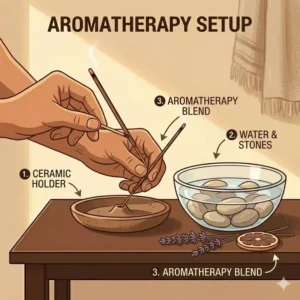
Lighting Incense for Productivity: The Home Office Hack
One of the most transformative ways to use incense in 2026 is as a “trigger” for deep work. This is a form of Pavlovian conditioning. If you only burn a specific scent—let’s say, Nippon Kodo’s Cypress—when you are writing or coding, your brain eventually associates that smell with focus.
When you are lighting incense for work, you want a “clean” burn. You don’t want a heavy, sleepy cloud of Jasmine hanging over your keyboard. I recommend using a vertical burner on your desk to keep the smoke trail away from your monitor and eyes. The gentle movement of the smoke can also serve as a “visual timer”—when the stick is done, it’s time to get up and stretch.
Long-Term Cost & Maintenance: Getting the Most Out of Your Burners
Incense is a low-cost luxury, but if you don’t maintain your equipment, you’ll end up replacing burners every few months.
-
Resin Buildup: Over time, the oils from the smoke will create a sticky, brown film on your ceramic or wooden burners. This residue can eventually go rancid and ruin the smell of new incense.
-
The Fix: Every 30 days, wipe down your burners with a cloth dipped in isopropyl alcohol. For wooden burners, a light sanding with fine-grit sandpaper can remove deep stains and “reset” the wood.
-
Total Cost of Ownership: A high-quality ceramic burner might cost around $20-$30, but it will last a lifetime. Cheap wooden “skis” are prone to warping and catching fire if the stick isn’t balanced perfectly. Invest in a heavy brass or stone holder for better safety and longevity.
Safety First: Essential Tips for 2026
We cannot talk about lighting incense without addressing safety. Every year, avoidable house fires are started by unattended incense.
-
Never Leave It Alone: It sounds obvious, but a falling ember can ignite a curtain in seconds.
-
The “Two-Foot Rule”: Keep your burner at least two feet away from anything flammable (curtains, paper, pets, or bedding).
-
Pet Safety: Some essential oils used in incense (like tea tree or certain citrus oils) can be toxic to cats and dogs if the concentration is too high. Always ensure your pets have an “exit” from the room if the scent becomes too strong for them.
-
Ventilation: Never burn incense in a windowless, closed room. You need a fresh air exchange to ensure carbon monoxide doesn’t build up.
✨ Don’t Miss These Exclusive Deals!
🔍 Take your home ambiance to the next level with these carefully selected products. Click on any highlighted item to check current pricing and availability. These tools will help you create authentic sensory experiences your family will love!
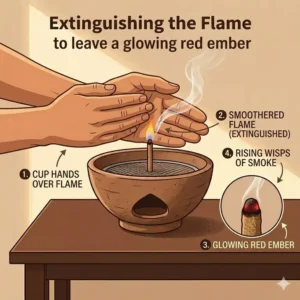
Conclusion: Finding Your Signature Scent
Lighting incense is one of the oldest human traditions, and in 2026, it remains one of the most effective ways to reclaim your space from the stresses of the modern world. Whether you choose the storied, temple-inspired aromas of Shoyeido or the punchy, modern vibes of Gonesh, the key is to experiment. Fragrance is deeply personal; what brings one person peace might give another a headache.
Start by trying a variety pack to see if your nose prefers the sweet, floral notes of India or the woody, minimalist notes of Japan. Once you find a brand and style that resonates with you, integrate it into your daily routine—at sunrise, during your afternoon slump, or as a signal that the workday is finally over. By following the safety and technique tips in this guide, you’ll turn a simple spark into a meaningful ritual that enhances your home and your headspace.
FAQs
❓ Can I use incense if I have asthma or allergies?
✅ It depends on the person, but generally, it’s best to avoid high-smoke charcoal sticks. Opt for “low-smoke” Japanese varieties which use refined materials. Always consult your doctor if you have chronic respiratory issues before starting an incense habit…
❓ How long does the smell of incense stay in a room?
✅ High-quality masala incense can linger for 6 to 12 hours. Cheaper synthetic sticks might fade within an hour. Factors like humidity, upholstery, and airflow will determine the longevity of the scent trail in your home…
❓ Is lighting incense better than using a diffuser?
✅ They serve different purposes. A diffuser provides moisture and a light, consistent scent. Incense provides a more intense, “smoky” aroma that many find more grounding and traditional for meditation or deep atmosphere building…
❓ What should I do if my incense stick won’t stay lit?
✅ First, check for dampness. If the stick is dry, try “re-lighting” the tip and letting it flame for a full 10 seconds before blowing it out. This ensures the ember is deep enough to sustain the burn through the stick’s core…
❓ Why does my incense smell like burning wood instead of the fragrance?
✅ This usually happens with cheap bamboo-core sticks where the wood-to-oil ratio is off. You are literally smelling the bamboo stick burning. Switch to a coreless Japanese stick or a high-resin cone to eliminate the wood-smoke smell…
Recommended for You
- 5 Best Wood Incense Burner Models for 2026: Expert Home Guide
- How to Use Incense Box: 7 Pro Tips for a Perfect Burn!
- 7 Best Glass Incense Holder Options for a Zen Home in 2026
Disclaimer: This article contains affiliate links. As an Amazon Associate, I earn from qualifying purchases. If you purchase products through these links, we may earn a small commission at no additional cost to you.
✨ Found this helpful? Share it with your friends! 💬🤗
[addtoany]
